
What Happens When Frozen Pizza Browns — And Why Food Scientists Are Watching Closely
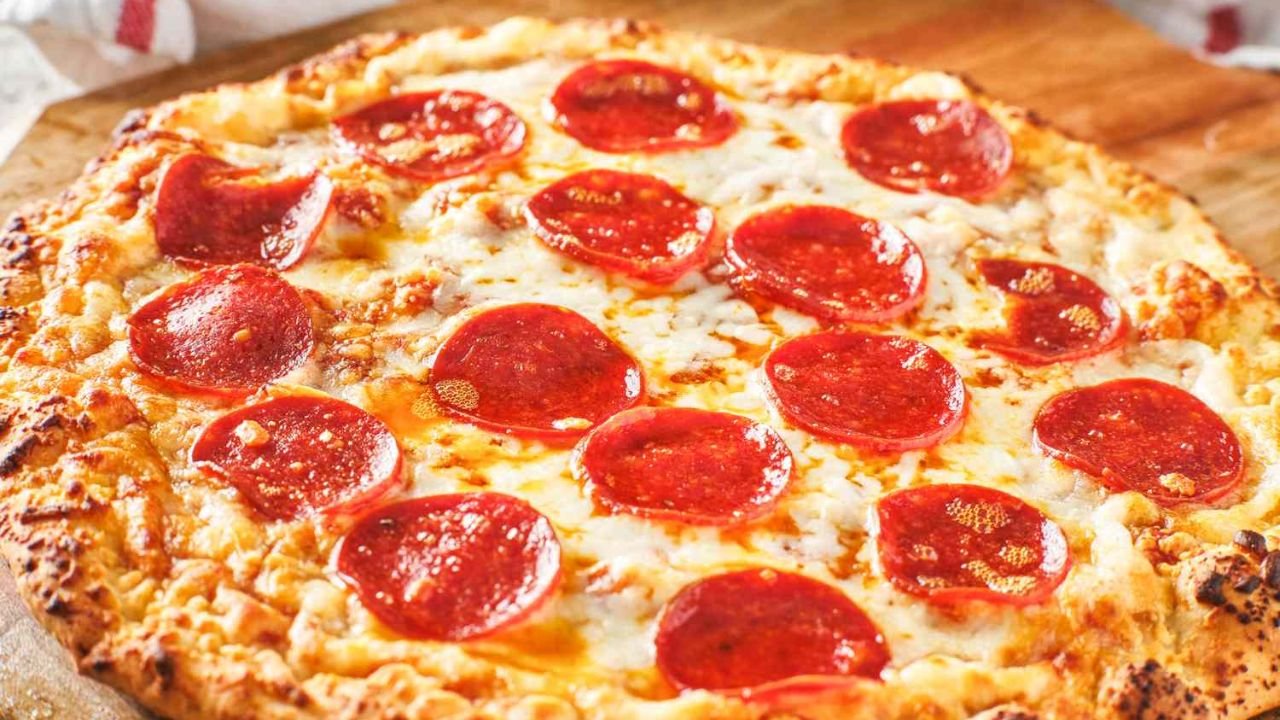
Frozen pizza is a staple in millions of American homes, prized for convenience and comfort. But food safety researchers say that when a pizza crust turns deeply golden or dark brown in the oven, a lesser-known chemical reaction takes place — one that health agencies around the world continue to monitor.
That crisp, browned crust does more than improve texture and flavor. Under high heat, starchy foods like pizza crust can form acrylamide, a naturally occurring chemical that is not added by manufacturers and does not appear on ingredient labels.
The Chemical Reaction Behind Browning
Acrylamide forms during a high-temperature chemical process known as the Maillard reaction, which occurs when natural sugars react with the amino acid asparagine. This reaction is responsible for browning in baked, fried, or roasted foods.
Food scientists have confirmed that acrylamide:
- Does not exist in raw foods
- Forms primarily in carbohydrate-rich items
- Appears most often when foods are baked or cooked until darkened
Researchers first detected acrylamide in cooked foods in 2002, triggering global study into everyday dietary exposure.
Why Health Agencies Track Acrylamide
Acrylamide is classified as a probable human carcinogen by the International Agency for Research on Cancer, part of the World Health Organization.
That classification is based on animal studies showing increased cancer risk at sufficient exposure levels, along with evidence that acrylamide can cause DNA damage.
The U.S. Food and Drug Administration has stated that acrylamide is not an ingredient, but a byproduct of high-temperature cooking. The agency notes that the chemical is more likely to form when foods are cooked above 248°F and allowed to brown extensively.
Why Frozen Pizza Is a Focus of Research
Frozen pizza crusts are often par-baked or pre-baked during manufacturing. That means the dough has already been exposed to high heat before consumers place it in their ovens.
Food safety researchers say this matters because:
- Pre-baked crusts already contain acrylamide precursors
- Final home baking raises temperatures further
- Extended browning increases acrylamide formation
- Reheating leftovers can add additional exposure
Independent testing by Consumer Reports has found measurable levels of acrylamide in several baked and processed grain products commonly eaten multiple times per week.
Cooking Habits That Increase Acrylamide Levels
According to FDA guidance, acrylamide levels rise when:
- Foods are baked beyond a light golden color
- Oven temperatures exceed package instructions
- Pizza is broiled after baking
- Crusts are thin, dry, and brown rapidly
In general, the darker the crust, the higher the likelihood of increased acrylamide concentration.
How Health Agencies Recommend Reducing Exposure
Federal health agencies do not advise eliminating baked foods entirely. Instead, they recommend moderation and cooking adjustments:
- Bake pizza until lightly golden, not dark brown
- Follow package temperature and time instructions closely
- Avoid reheating pizza until the crust hardens or darkens
- Rotate meals to limit frequent exposure to heavily browned foods
Health officials say these steps can meaningfully reduce acrylamide intake without drastic dietary changes.
Medical Disclaimer
This article is for informational purposes only and does not constitute medical advice, diagnosis, or treatment. Cancer risk is influenced by cumulative exposure, genetics, lifestyle factors, and overall diet. Health authorities emphasize that acrylamide is one potential risk factor among many, and that occasional consumption of browned or baked foods is not considered a direct cause of cancer.
Readers concerned about dietary risks should consult a qualified healthcare professional or registered dietitian for personalized guidance.
Do you prefer your pizza lightly cooked or extra crispy — and has learning about cooking-related chemicals changed how you prepare food at home? Share your thoughts with readers at WaldronNews.