
Is It Safe to Leave Butter Out on the Table? Food Safety Experts Explain
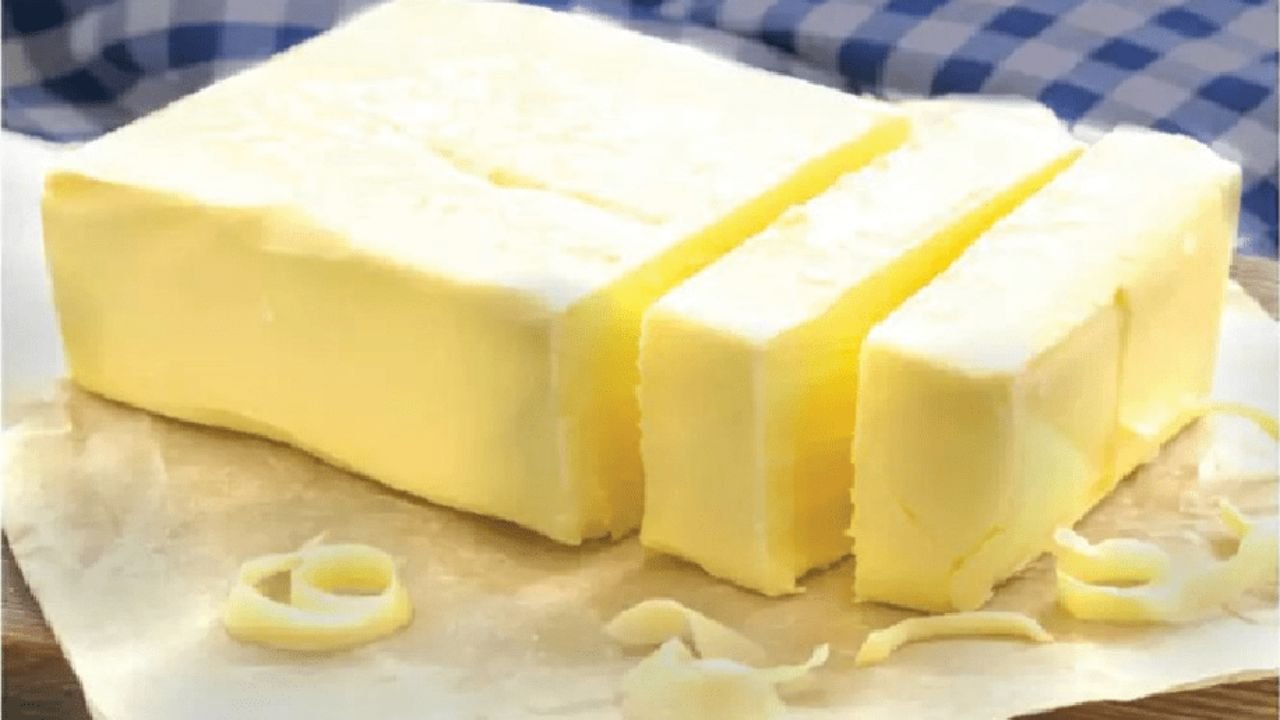
For many households, a butter dish sitting on the table or counter is a familiar sight. Unrefrigerated butter is easier to spread, more convenient during meals, and — for many people — simply part of daily routine.
But food safety experts say the real question isn’t whether butter can be left out at all. It’s how long, what kind of butter, and who is eating it.
The Standard Food Safety Rule — and Why Butter Is Different
Food safety agencies often emphasize the well-known “2-hour rule”: perishable foods should not be left at room temperature for more than two hours (or one hour if temperatures exceed 90°F).
However, butter is something of an exception.
Butter is composed mostly of fat and contains very little water, which makes it less hospitable to bacteria than many other dairy products. In addition, commercial butter in the U.S. is typically made from pasteurized cream, further reducing risk.
According to guidance reviewed by the U.S. Food and Drug Administration, some commercial butter products — particularly salted butter — may fall outside the strict “time/temperature control for safety” category, depending on formulation.
In simple terms: certain butters can be left out safely for limited periods, while others should not.
Salted vs. Unsalted Butter — Why It Matters
Experts say the type of butter makes a meaningful difference.
Salted butter
Salt slows microbial growth. Food safety guidance referenced by Michigan State University Extension, citing United States Department of Agriculture FoodKeeper data, suggests that salted butter can often be kept at room temperature for one to two days without significant safety concerns.
Unsalted butter
Unsalted butter lacks salt’s preservative effect and is generally considered more vulnerable to spoilage and bacterial growth. The FDA advises stricter handling for unsalted varieties.
Whipped butter, spreads, and compound butters
Products like whipped butter, garlic butter, or herb-infused butter carry higher risk. Added ingredients, extra air, and increased moisture can change how bacteria grow. FDA reviews flag unsalted whipped butter as having a different — and less forgiving — safety profile than standard salted butter.
When Experts Say Butter Should Not Be Left Out
Even households that routinely keep butter on the counter are advised to refrigerate it in certain situations:
- Warm kitchens: If indoor temperatures regularly exceed about 70°F, butter softens faster and can turn rancid more quickly
- Extended time out: Leaving butter unrefrigerated for more than a day or two increases both quality loss and safety risk
- High-risk households: Homes with pregnant individuals, infants, older adults, or immunocompromised people
- Homemade or unpasteurized butter: These should always be treated as more perishable and refrigerated
General food safety guidance from the Centers for Disease Control and Prevention stresses minimizing time foods spend in the “danger zone” between 40°F and 140°F, especially for vulnerable populations.
What Experts Recommend
Food safety specialists generally agree on a practical middle ground:
- Leaving a small amount of salted butter out for daily use or during meals is usually safe
- Butter should be covered, kept away from heat and sunlight, and replaced regularly
- Refrigeration is the safest option for unsalted, whipped, or mixed-in butters
- When in doubt — especially in warm kitchens or high-risk households — refrigerate
Safety aside, experts note that quality is often the first thing to suffer. Butter left out too long can oxidize, absorb odors, and develop off flavors well before it becomes unsafe.
Medical Disclaimer
This article is for informational purposes only and does not constitute medical or dietary advice. Food safety risks vary based on individual health status, environment, and food handling practices. People with weakened immune systems, those who are pregnant, older adults, or caregivers for infants should follow guidance from healthcare providers and food safety authorities. When unsure about food safety, refrigeration is the safest option.
Do you keep butter on the counter or always refrigerate it — and has food safety advice changed your habits? Share your thoughts with readers at WaldronNews.