
Is It Actually Bad to Stand Too Close to a Microwave? What Safety Experts Say
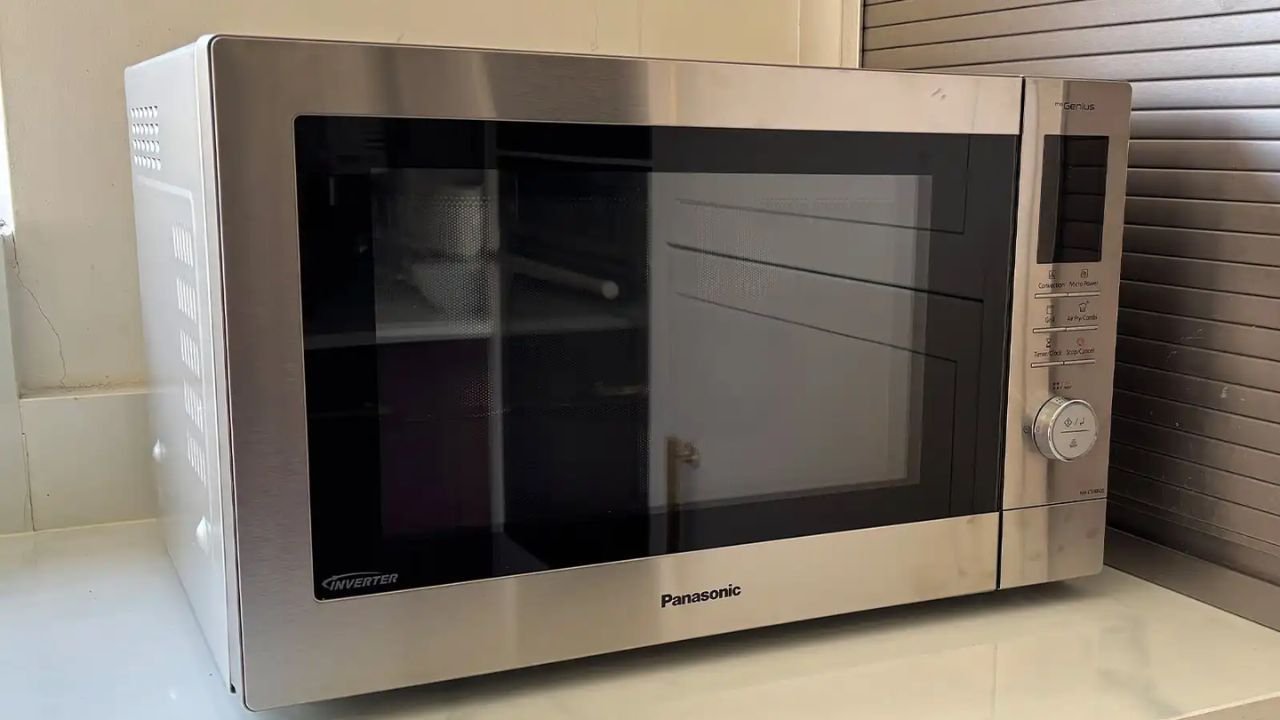
Many people have heard warnings about standing too close to a microwave while it’s running. Some step back instinctively, while others stand inches away without a second thought.
According to health and safety experts, for a modern, properly functioning microwave oven, briefly standing nearby is very unlikely to cause harm. But agencies still recommend keeping a small distance — and there’s a practical reason why.
What U.S. Safety Standards Actually Allow
In the United States, microwave ovens are regulated under strict performance standards set by the U.S. Food and Drug Administration.
The FDA limits microwave energy leakage to 5 milliwatts per square centimeter (mW/cm²), measured extremely close to the oven — about 2 inches (5 centimeters) from the surface — even as the appliance ages.
Two important points come from that standard:
- The limit is far below levels known to cause harm, according to the FDA
- Distance dramatically reduces exposure — at about 20 inches away, exposure can drop to roughly 1/100th of what’s measured near the surface
Internationally, the World Health Organization states that microwave ovens meeting safety standards are not hazardous to human health.
What Real-World Testing Shows
Peer-reviewed studies measuring microwave leakage in homes and laboratories consistently find that properly functioning ovens remain well within safety limits.
Higher readings tend to be associated with:
- Damaged or warped doors
- Worn or dirty door seals
- Physical damage to the oven body
Studies measuring exposure at distances of about 1 meter (3.3 feet) often detect leakage in the microwatt-per-square-centimeter range, which is thousands of times lower than regulatory limits.
In practical terms, experts say the only realistic risk scenario would involve pressing your face directly against a damaged microwave door while it is operating — not walking past it or standing a few feet away in your kitchen.
Why Agencies Still Recommend Stepping Back
If the risk is low, why do experts still advise against standing directly in front of a running microwave?
Because it’s simple, no-cost risk reduction.
The U.S. Environmental Protection Agency, which summarizes FDA guidance, advises people not to stand directly in front of or press against an operating microwave — not because normal use is dangerous, but as a precaution in case the oven is damaged or leaking.
Similarly, radiation safety guidance from University of California, Berkeley notes that consumer microwaves are generally safe, but damaged units should be inspected or replaced.
Practical Safety Tips Experts Recommend
Health agencies and appliance safety specialists suggest a few straightforward habits:
- Avoid pressing up against the microwave door while it’s running
- Keep the door seal clean and free of food debris
- Do not use a microwave with a damaged door or latch
- Replace older units that no longer close securely
For most households, standing a foot or two back — or simply going about your business — is more than enough.
The Bottom Line
Modern microwave ovens are designed to contain radiation safely, and the exposure levels allowed by law are already well below harmful thresholds. Standing close for a moment is unlikely to matter, but giving the appliance a little space is an easy precaution — especially as it ages.
Medical Disclaimer
This article is for informational purposes only and does not constitute medical, occupational, or safety advice. Health risks depend on equipment condition, exposure duration, and individual sensitivity. If you suspect your microwave is damaged or leaking, discontinue use and consult a qualified appliance technician or follow manufacturer guidance.
Do you step away from the microwave out of habit, or does this information change how you think about it? Share your thoughts with readers at WaldronNews.