
Illinois, Oklahoma and Midwest Regions Told to Watch Active Tornado Trend as 2026 Season Shows Unusual Early Pattern
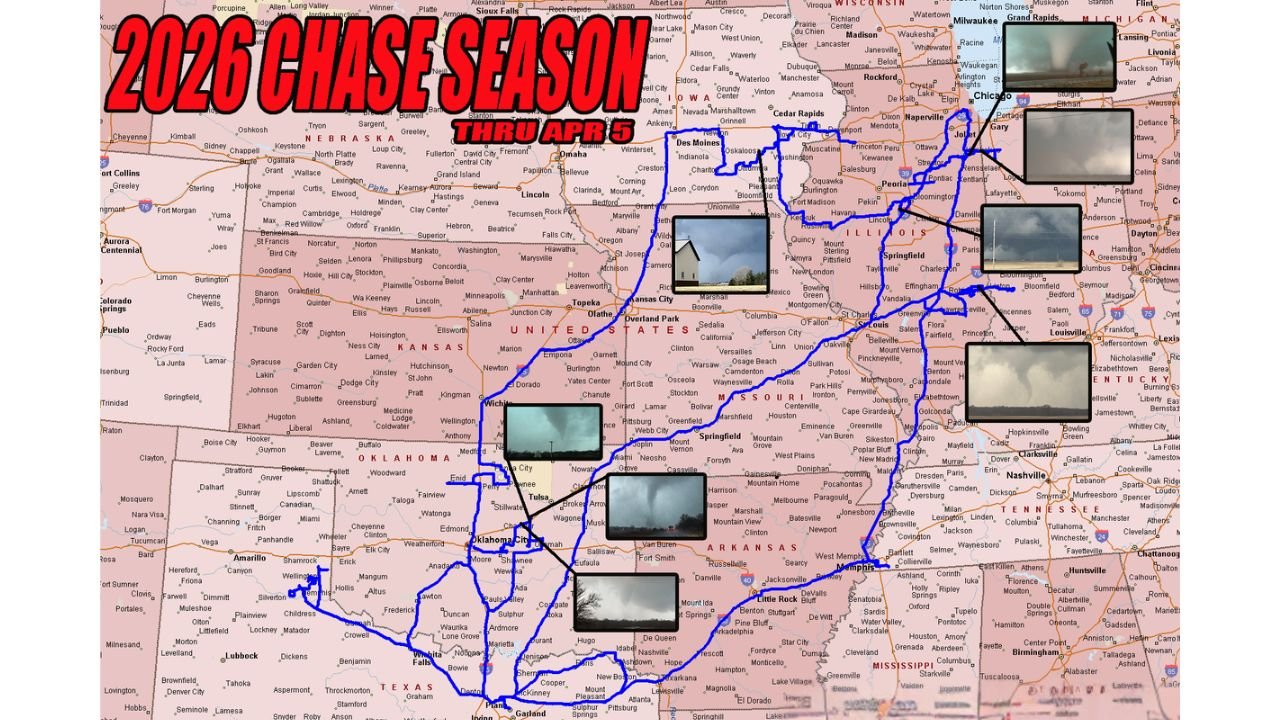
UNITED STATES — A developing trend in the 2026 severe weather season is prompting communities across the Midwest, Illinois, Oklahoma, and surrounding regions to stay alert, as new data highlights an unusually active early-season tornado pattern.
While overall severe weather activity may appear near average on the surface, a deeper look reveals that tornado frequency and regional clustering are already standing out in a significant way.
2026 Severe Weather Season Already Showing Elevated Tornado Activity
So far this year, storm tracking data shows:
- 9 total chase days recorded
- 5 of those days producing tornado activity
This suggests a higher-than-normal tornado occurrence rate, even if total storm days appear typical.
The key takeaway is that a larger share of storm days are producing tornadoes, which increases overall risk across affected regions.
Illinois Emerging as a Major Early Season Hotspot
One of the most notable trends this year is the unusual concentration of tornado activity across Illinois.
Data indicates:
- At least 3 separate tornado-producing days already recorded in Illinois
- A level of activity that is rare this early in the season
This highlights Illinois as a developing hotspot, especially compared to typical early-season patterns where activity is often more focused further south.
Oklahoma Also Seeing Consistent Severe Weather Activity
While Illinois stands out, Oklahoma has also experienced a steady share of storm activity, including:
- Multiple storm chase routes across central and eastern Oklahoma
- Several instances of organized severe weather setups
This reinforces that while traditional “Tornado Alley” may not be at peak activity yet, it is still actively contributing to the overall pattern.
Broader Midwest and Southern Regions Showing Scattered Activity
Storm tracking paths also show activity extending across:
- Missouri
- Arkansas
- Tennessee
- Parts of Texas and Kansas
However, the distribution appears more scattered and less concentrated compared to the focused trend seen in Illinois.
This suggests a shift in early-season storm behavior, where activity is not strictly confined to traditional regions.
Why This Pattern Stands Out
What makes this season notable is not just the number of storms, but how and where they are occurring:
- Higher percentage of tornado-producing days
- Increased activity in Midwestern states like Illinois
- A somewhat quieter-than-expected traditional Southern Plains core
This combination indicates a slight shift in storm tracks and atmospheric setups compared to typical years.
What This Could Mean Going Forward
If this trend continues, it could signal:
- A more active Midwest severe weather season
- Continued tornado potential across Illinois and nearby states
- Increasing activity spreading into traditional Plains regions later in spring
As the season progresses, patterns often shift, meaning areas currently active could remain at risk while new regions begin to see increased storm development.
Key Areas to Watch Closely
Based on current trends, the most important regions to monitor include:
- Illinois
- Oklahoma
- Missouri
- Arkansas
- Tennessee
These areas have already shown consistent early-season activity, making them key zones for future developments.
Why This Matters Right Now
Early-season trends often provide important clues about how the rest of the severe weather season may unfold.
The fact that:
- Tornado frequency is elevated
- Activity is shifting geographically
- Multiple regions are already engaged
means that communities should remain prepared for continued severe weather risks in the coming weeks.
What Residents Should Do
Residents across these regions should:
- Stay updated on severe weather forecasts and alerts
- Be prepared for rapidly developing storm conditions
- Monitor patterns as the season transitions deeper into spring
Even if activity fluctuates, the early signs suggest that 2026 could remain an active and dynamic severe weather year.
Stay with WaldronNews.com for continued updates as this evolving tornado trend across Illinois, Oklahoma, and the Midwest develops further.