
Arizona Surges to 110–112°F as Historic March Heat Spreads Across California, Texas, Oklahoma and 14+ States
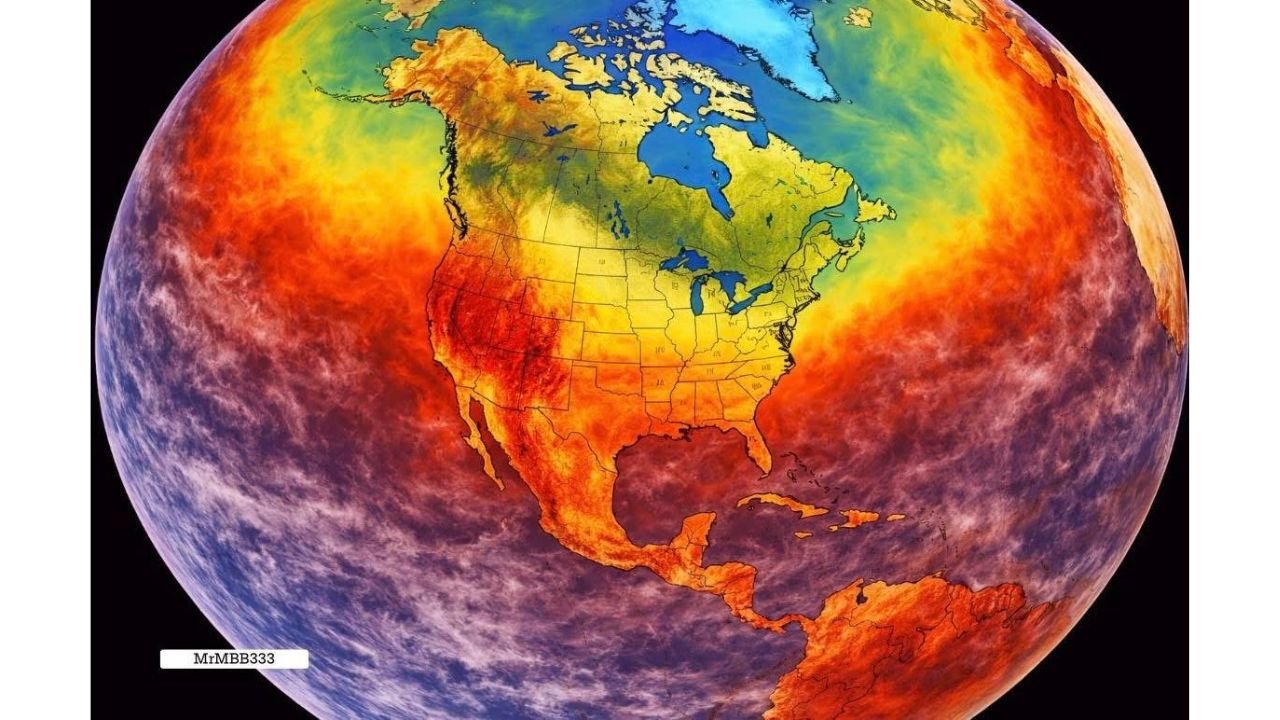
UNITED STATES — An extraordinary and unusually early-season heatwave is intensifying across the western and central United States, with Arizona reportedly reaching 110–112°F, marking what is being described as the hottest March temperature ever recorded in U.S. history.
The developing heat dome is not confined to one state. Temperature records are already being broken across more than 14 states, with many areas running 20 to 30 degrees above seasonal averages.
Arizona Reaches Rare March Territory
Parts of Arizona are seeing temperatures more typical of late June or early July rather than March. Highs between 110°F and 112°F represent extreme anomalies for this time of year, pushing well beyond what is normally expected during early spring.
Such readings would place Arizona in record-breaking territory for the month, highlighting the intensity of this expanding heat event.
Heat Expands Across the West and Into the Plains
Visual data shows a broad swath of above-normal temperatures stretching from:
- California
- Nevada
- Arizona
- Utah
- New Mexico
- Texas
- Oklahoma
- Kansas
- Extending toward parts of the Midwest and lower Mississippi Valley
Large sections of the Southwest and southern Plains are engulfed in deep red temperature anomalies, indicating extreme warmth for late March.
In many areas, highs are running 20–30°F above climatological normals, pushing daily and potentially monthly records to their limits.
Records Falling in Multiple States
Reports indicate that more than 14 states are already seeing record highs tied or broken during this event. The warmth is widespread rather than isolated, signaling a large-scale atmospheric pattern driving the anomaly.
Temperatures normally reserved for early summer are occurring in March — a sign of a powerful ridge dominating much of the country.
At the Same Time: Severe Storms and Cold Air Intrusions
While heat dominates the Southwest and central U.S., other regions are experiencing very different weather extremes.
- Severe storms are developing along the boundaries of the hot air mass.
- Cold air continues pressing southward in parts of the northern tier.
- Dust events are occurring in drier regions affected by strong winds and dry soils.
This overlap of extremes underscores the complexity of the current atmospheric setup, with multiple systems active simultaneously.
Not a Typical Seasonal Transition
Although March often brings variable weather, the magnitude and geographic spread of this heat event stand out. The scale of the anomaly — particularly Arizona’s triple-digit readings — suggests this is not a routine seasonal fluctuation.
With temperatures already at historic levels and additional records possible, forecasters will be closely monitoring whether the heat continues expanding eastward or begins to moderate in the coming days.
For continuing coverage of major national weather developments, stay with WaldronNews.com.