
Minnesota, Wisconsin, Iowa, and the Dakotas Could Face an Exceptionally Dangerous Arctic Outbreak With Temperatures Approaching Historic Levels in Late January
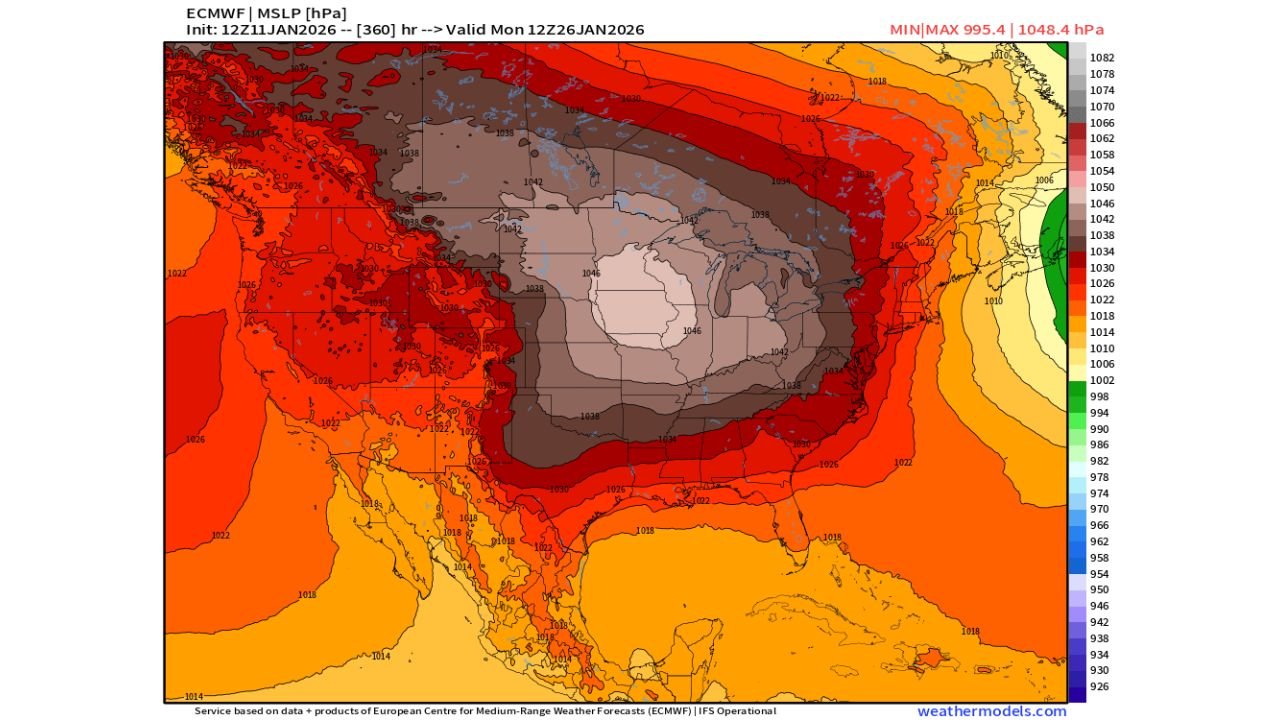
MINNESOTA — Forecast guidance is raising eyebrows across the Upper Midwest as long-range model data signals the potential for an extraordinary Arctic outbreak late this month, one that could push temperatures toward levels rarely seen in modern U.S. climate records. While all-time cold records are difficult to break, the pattern now emerging suggests life-threatening cold is possible across Minnesota and neighboring states, with Minneapolis specifically highlighted due to its historic benchmarks.
Why Minneapolis Is Drawing Attention
Minneapolis’ all-time low temperature stands at –41°F, set on January 21, 1888, during one of the coldest winters on record. That value has endured for more than 140 years. Current long-range ECMWF guidance shows minimum temperatures potentially dropping into the –30s to lower –40s across parts of Minnesota, placing the region uncomfortably close to that historic threshold.
Even if the exact record is not broken, temperatures within 5–10 degrees of an all-time low are exceptionally rare, especially in today’s warmer global climate.
What the Model Data Is Showing
The ECMWF extreme-range output depicts:
- Widespread lows below –30°F across Minnesota and northern Iowa
- Pockets of –40°F or colder potential in central and northern Minnesota
- A massive, dense surface high pressure dome exceeding 1040 mb, a classic signal of intense Arctic air
- A deeply disrupted polar circulation allowing cold air to spill far south into the central United States
This is not a typical winter cold snap. The scale and depth of the cold air mass suggest prolonged exposure to extreme cold, rather than a brief overnight dip.
Why This Is Remarkable in Today’s Climate
Average global temperatures are roughly 1.5°C warmer than they were in the late 1800s, making events of this magnitude increasingly uncommon. While this would not rival prehistoric cold eras, it would still rank among the coldest air masses of the modern observational era.
Meteorologists emphasize that historic cold can still occur, even in a warming climate, when atmospheric patterns align in rare but powerful ways.
Potential Impacts Across the Region
If this scenario verifies, impacts could include:
- Dangerous to life-threatening wind chills
- Rapid frostbite risk within minutes
- Extreme stress on heating systems and power infrastructure
- Travel disruptions due to mechanical failures and cold-related hazards
- Agricultural and livestock dangers across rural areas
Residents across Minnesota, Wisconsin, Iowa, North Dakota, and South Dakota would need to prepare for conditions far colder than typical January standards.
Important Uncertainty Still Exists
It is critical to note that this forecast is still long-range, and exact temperature values may change. Even a modest moderation of 5–10 degrees would significantly alter whether records are threatened. However, the signal for a severe Arctic outbreak is strong and persistent across multiple model runs, which is why forecasters are taking notice now.
Bottom Line
An exceptionally intense Arctic air mass is being monitored for the Upper Midwest later this month, with Minnesota at the center of potential historic cold. While breaking the –41°F Minneapolis record remains uncertain, temperatures approaching levels unseen in generations are possible, making this a high-risk, high-impact winter weather setup.
Residents should closely monitor forecasts in the coming days and be ready to take cold-weather safety precautions if confidence continues to increase.
For continued updates on this developing Arctic threat and its potential impacts, stay connected with Waldron News as this rare cold pattern comes into sharper focus.