
Texas’ Diverse Landscapes From Piney Woods to Chihuahuan Desert Highlight Unmatched Biodiversity Across the Lone Star State
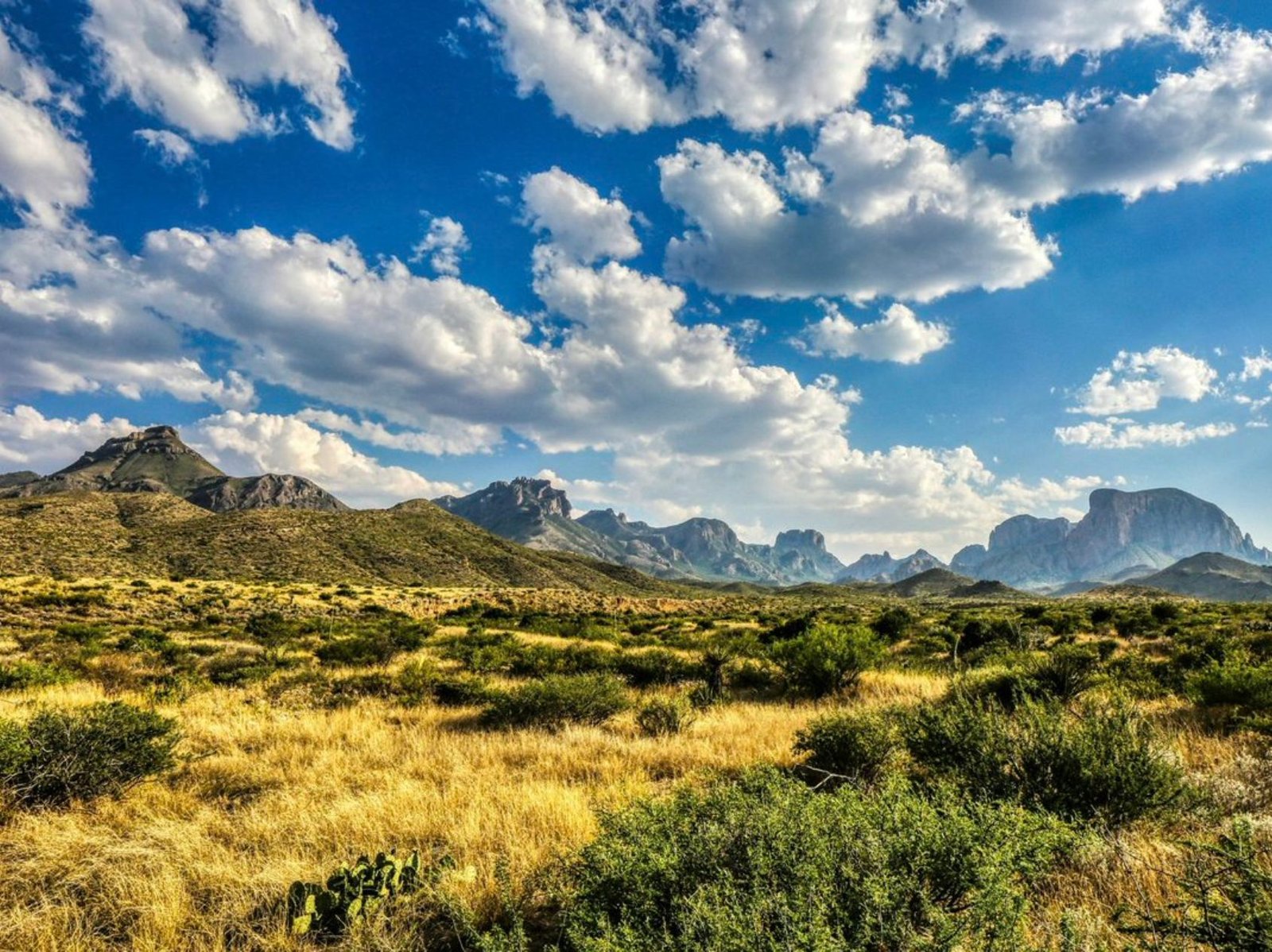
TEXAS — Often stereotyped as a flat, dry expanse, Texas is in reality one of the most ecologically diverse regions in North America. From lush forests and coastal marshes to rugged deserts and towering canyons, the Lone Star State boasts an extraordinary range of ecosystems unmatched by most other states in the country.
According to ecological data, Texas is home to 10 distinct ecoregions, each offering unique climates, landscapes, and wildlife habitats. The dramatic differences across the state are striking: while parts of East Texas receive more than 60 inches of rainfall annually, areas in far West Texas see less than 10 inches, illustrating one of the most significant precipitation gradients in the United States.
Piney Woods of East Texas Resemble Louisiana’s Wetlands
In East Texas, the Piney Woods region mirrors the lush landscapes of neighboring Louisiana. This area features dense forests, towering pines, cypress swamps, and Spanish moss draping from tree branches. The abundant rainfall supports a rich ecosystem filled with diverse plant and animal life, making it one of the most biologically vibrant regions in the state.
West Texas Transforms Into the Chihuahuan Desert
Travel nearly 800 miles west, and the scenery transforms dramatically into the rugged beauty of the Chihuahuan Desert. Here, dramatic canyons, desert plains, and mountain peaks dominate the landscape. With annual rainfall often below 10 inches, this region highlights the stark contrast within Texas’ environmental diversity.
Diverse Landscapes Between East and West
Between these two extremes lies an incredible range of ecosystems that define Texas’ natural heritage:
- Gulf Coast Marshes: Coastal wetlands rich in wildlife and vital to migratory bird populations.
- Tallgrass Prairies: Once stretching across the central plains, these prairies support native grasses and pollinators.
- Texas Hill Country: Known for its limestone springs, rolling hills, and intricate cave systems.
- High Plains of the Panhandle: Characterized by expansive grasslands and agricultural landscapes.
- Palo Duro Canyon: Located in the Texas Panhandle, this natural wonder is the second-largest canyon in the United States, showcasing dramatic geological formations.
Notably, two of Texas’ ecoregions exist nowhere else in the Lower 48 states, emphasizing the state’s ecological significance on a national scale.
Texas Leads the Nation in Biodiversity
The numbers further reinforce Texas’ environmental importance. The state supports:
- The highest number of bat species in the United States
- The largest variety of reptile species nationwide
- The second-highest number of bird species, trailing only California
- More than 5,000 species of wildflowers, contributing to vibrant seasonal blooms across the state
This remarkable biodiversity underscores Texas’ role as a critical habitat for wildlife and a cornerstone of ecological conservation efforts.
Outdoor Recreation Drives Economic Impact
Beyond its natural beauty, Texas’ diverse landscapes play a vital role in the state’s economy. Outdoor recreation contributes nearly $56 billion annually, supporting industries such as tourism, wildlife conservation, hunting, fishing, and hiking.
From the pine forests of East Texas to the desert mountains of the west, the state’s varied terrain continues to attract visitors, researchers, and conservationists alike.
A Landscape Worth Protecting
Texas’ ecological richness challenges the common perception of the state as merely flat and arid. Instead, it stands as one of North America’s most geographically and biologically diverse regions. Preserving these landscapes ensures the protection of countless species and the continuation of outdoor traditions that define the Lone Star State.
Stay with WaldronNews.com for more in-depth environmental coverage, regional insights, and stories highlighting the natural wonders shaping communities across the United States.