
Washington, D.C., Maryland, and Virginia Face Elevated Risk of Major Snowstorm as European Model Signals 12-Inch Potential
WASHINGTON, D.C., MARYLAND, AND VIRGINIA — A potentially high-impact winter storm is drawing close attention across the Mid-Atlantic as new European ensemble model data signals a meaningful risk of heavy snowfall between Saturday night and Monday morning, particularly for areas centered around Washington, D.C., central and southern Maryland, and much of Virginia.
Latest probability maps based on 50 European ensemble simulations show a 30–40% chance of at least 12 inches of snow in the D.C. metro area, with even higher odds just south of the city, extending into central Virginia. While these numbers are not guarantees, meteorologists emphasize that probabilities at this level, several days in advance, represent a strong signal that a major winter weather event is possible.
What the Data Is Showing Right Now
The European ensemble system runs the same storm setup dozens of times with slightly different atmospheric variables. When a large number of those simulations cluster around a similar outcome, confidence increases.
Right now, the data indicates:
- 30–40% probability of 12 inches or more in and around Washington, D.C.
- 40–50% probabilities across parts of central and southern Maryland
- 50–60% probabilities in portions of central and southeastern Virginia
- A broad snow band extending from western Virginia through the I-95 corridor
This kind of consistency across ensemble members is why forecasters are treating the setup seriously, even though the storm is still days away.
Timing: When Impacts Could Be Highest
If current trends hold, snow could begin late Saturday, intensify overnight, and continue through Sunday into early Monday. The most disruptive period may occur Sunday, when snowfall rates could be heavy enough to overwhelm road crews and significantly reduce visibility.
Because the storm window includes overnight and early-morning hours, impacts to travel, emergency services, and utilities could be amplified.
Snow vs. Ice: Still a Key Question
One of the biggest uncertainties remains precipitation type. Small temperature differences near the surface could determine whether certain areas see heavy snow, sleet, or freezing rain.
At this stage:
- Northern zones favor mostly snow
- Southern and coastal zones could see mixed precipitation
- Any northward or southward shift in the storm track would change totals quickly
This uncertainty is normal at this lead time, but it also means forecasts will continue to evolve.
Why This Setup Is Getting Attention
Forecasters note that the strength of the signal is what stands out most. High probabilities of significant snowfall appearing this far in advance are uncommon, especially across the Mid-Atlantic.
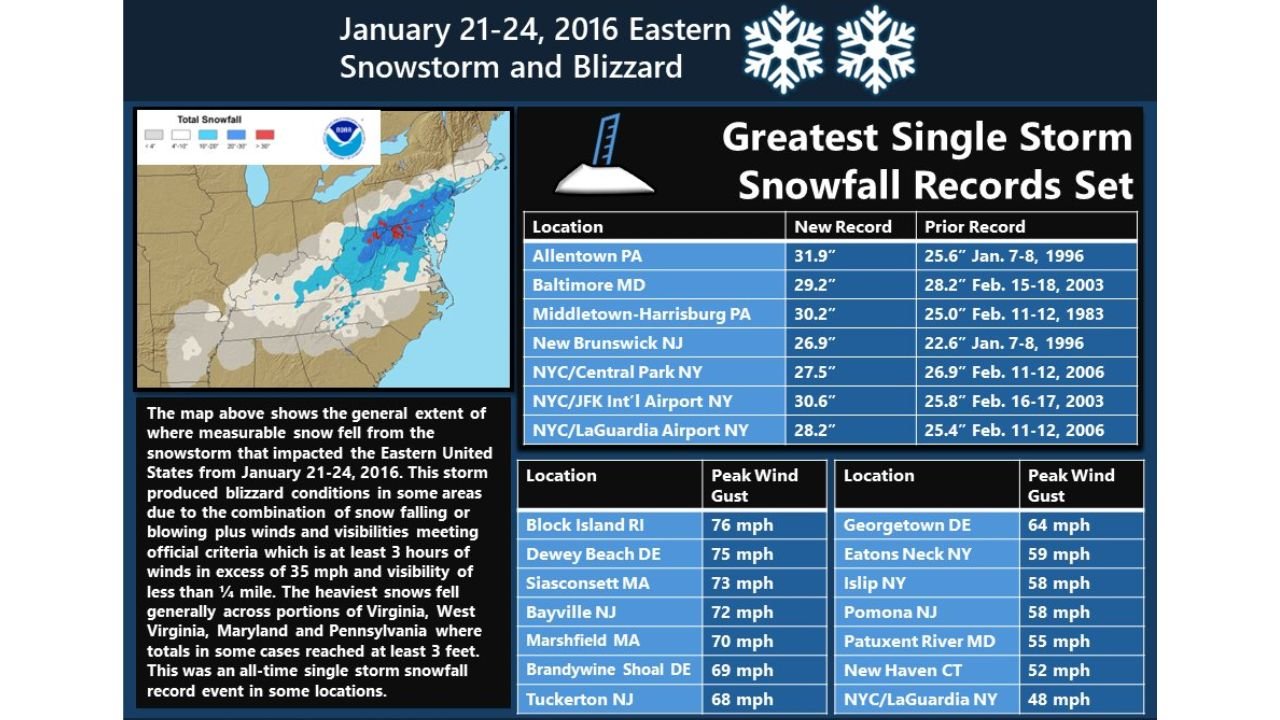
While comparisons are already being made to past memorable storms, experts caution that this is not a final forecast, and exact impacts will depend on storm track, intensity, and temperature profiles as the event draws closer.
What Residents Should Do Now
This is not a call for panic, but it is a reminder to prepare early:
- Monitor forecast updates daily
- Review travel plans for late weekend into early next week
- Ensure vehicles, heating systems, and emergency supplies are ready
- Check in on vulnerable family members and neighbors
Even if final snowfall totals end up lower in some locations, confidence is growing that winter weather will be impactful somewhere in the region.
Stay With Waldron for Updates
Winter storm forecasts can change quickly. Stay connected with Waldron for continued updates, refined snowfall projections, and impact-focused coverage as this developing system moves closer. Share your local conditions and preparedness plans with us as the situation unfolds.