
Alabama, Mississippi, Georgia, Tennessee, and the Southeast Urged to Know the Difference Between a Weather Watch and Warning as Storm Season Approaches
UNITED STATES — As active weather patterns return across Alabama, Mississippi, Georgia, Tennessee, and much of the Southeast, meteorologists are urging residents to refresh a critical piece of weather safety knowledge: the difference between a weather watch and a weather warning. Understanding this distinction can make a life-saving difference when severe storms, flash flooding, or tornadoes threaten your area.
What a Weather Watch Really Means
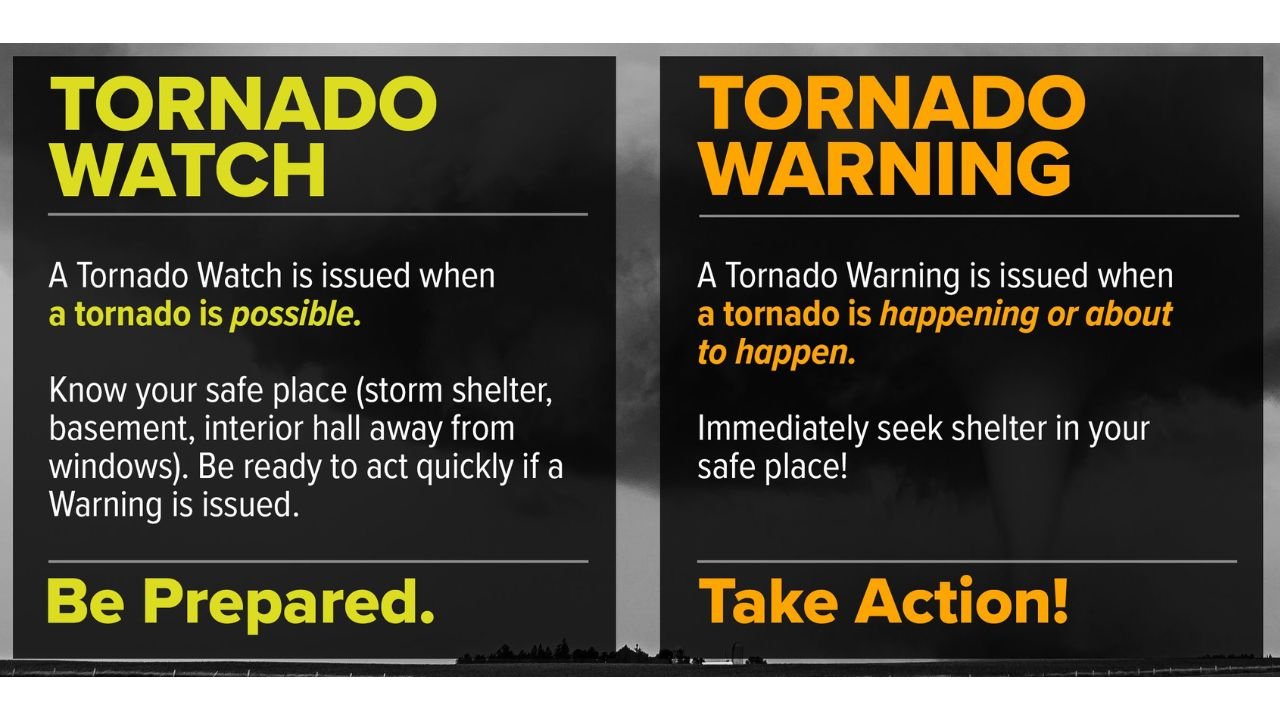
A weather watch is issued when conditions are favorable for hazardous weather to develop. This does not mean the event is happening yet, but it signals that the atmosphere has all the necessary ingredients in place.
A watch tells you to:
- Stay alert and prepared
- Review your safety plan
- Know where your safe place is (basement, storm shelter, or interior room away from windows)
- Monitor weather updates closely
Examples include Tornado Watch, Severe Thunderstorm Watch, and Flood Watch. During a watch, storms may still be developing, but action may be needed quickly if conditions worsen.
What a Weather Warning Means
A weather warning is more serious. It means dangerous weather is occurring or about to occur and poses an immediate threat to life or property.
A warning means:
- Take action immediately
- Seek shelter right away
- Do not wait for further confirmation
For example, a Tornado Warning indicates a tornado has been detected by radar or confirmed by spotters. A Flash Flood Warning means flooding is already happening or imminent.
Why This Difference Matters
Many weather-related injuries and fatalities occur because people delay action during warnings or misinterpret watches as harmless. The watch-to-warning system is designed to give people time to prepare first, then act fast when necessary.
In fast-moving storms common across the Southeast, warning lead times can be short, making prior preparation during a watch especially important.
How to Stay Ready During Active Weather
Meteorologists recommend:
- Keeping multiple ways to receive warnings (weather radio, phone alerts, local media)
- Identifying your safe location before storms arrive
- Acting immediately when a warning is issued — seconds matter
For additional safety guidance, the National Weather Service encourages the public to review official preparedness resources at weather.gov/safety.
Bottom Line
A watch means be prepared.
A warning means take action now.
As storm season ramps up across the Southeast and beyond, knowing this difference — and responding correctly — can help protect you, your family, and your community. Stay informed and keep following Waldron for clear, no-confusion weather updates and safety guidance.