
Texas, Oklahoma, Arkansas and Missouri See Monarch Butterflies Surge North From Mexico as Spring Migration Begins With Encouraging Population Rebound
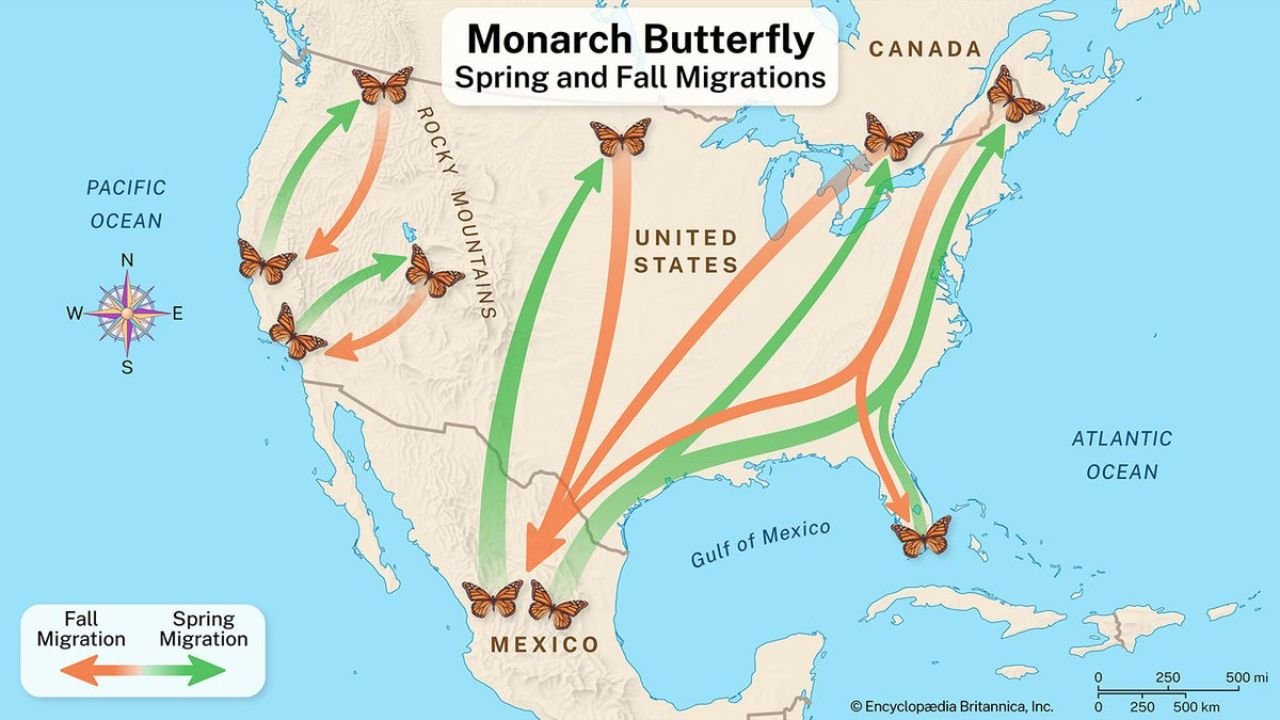
UNITED STATES — Spring is officially underway, and with it comes one of North America’s most remarkable natural events: the northward migration of monarch butterflies. This year’s journey carries especially encouraging news — after several years of population declines, monarch numbers have increased.
The annual migration begins in central Mexico, where monarchs overwinter in the mountain forests before spreading northward across the United States and into southern Canada.
From Mexico to the Southern Plains
As temperatures warm, monarchs depart from their wintering grounds in Mexico, crossing into Texas first. From there, migration corridors branch outward through:
- Oklahoma
- Arkansas
- Louisiana
- Missouri
Texas serves as the critical launch point for the spring expansion, with the first wave of monarchs laying eggs on milkweed before continuing the generational relay northward.
Migration Expands Into the Midwest and Great Lakes
As spring progresses, subsequent generations push farther north into:
- Kansas
- Illinois
- Indiana
- Ohio
- Michigan
- Wisconsin
Arrows on the migration map show green pathways representing the spring route, stretching from the Gulf Coast through the Mississippi Valley and into the Great Lakes region.
By late spring and early summer, monarchs reach as far as:
- Minnesota
- The northern Plains
- Southern Canada
Eastern Route Reaches the Atlantic Coast
Another branch of the migration arcs eastward from the southern United States into:
- Georgia
- South Carolina
- North Carolina
- Virginia
- The Mid-Atlantic and Northeastern states
These monarchs eventually populate areas from the Appalachian Mountains to the Atlantic coastline.
Western Monarchs Follow a Different Path
In the western United States, monarch populations that overwinter along the California coast spread inland during spring. They migrate through:
- California
- Nevada
- Arizona
- Parts of the Pacific Northwest
Unlike the eastern population that winters in Mexico, western monarchs follow a shorter but equally critical coastal cycle.
Encouraging Population Growth
After several years of concerning declines due to habitat loss, extreme weather, and reduced milkweed availability, recent monitoring shows monarch populations have increased compared to previous seasons.
While long-term conservation challenges remain, this year’s rebound offers hope for continued recovery if habitat restoration and conservation efforts persist.
Why the Migration Matters
Monarch butterflies are more than a seasonal symbol — they are:
- Key pollinators
- Indicators of ecosystem health
- One of the only insect species to complete a multi-generational continental migration
The journey from Mexico to Canada spans thousands of miles and multiple generations, making it one of nature’s most extraordinary cycles.
What to Watch for This Spring
Residents in Texas, Oklahoma, Arkansas, Missouri and across the Midwest may begin spotting monarchs in gardens, fields and along highways in the coming weeks.
Planting native milkweed and nectar-producing flowers can help support the migration as it unfolds.
As warmer temperatures continue to spread north, the orange-and-black wings of monarch butterflies will follow — a visible sign that spring has truly arrived across the United States.
Stay with WaldronNews.com for seasonal updates on migration patterns and environmental developments nationwide.