
Florida Enters January With Statewide Drought as Central and North Florida Face Growing Severe Conditions
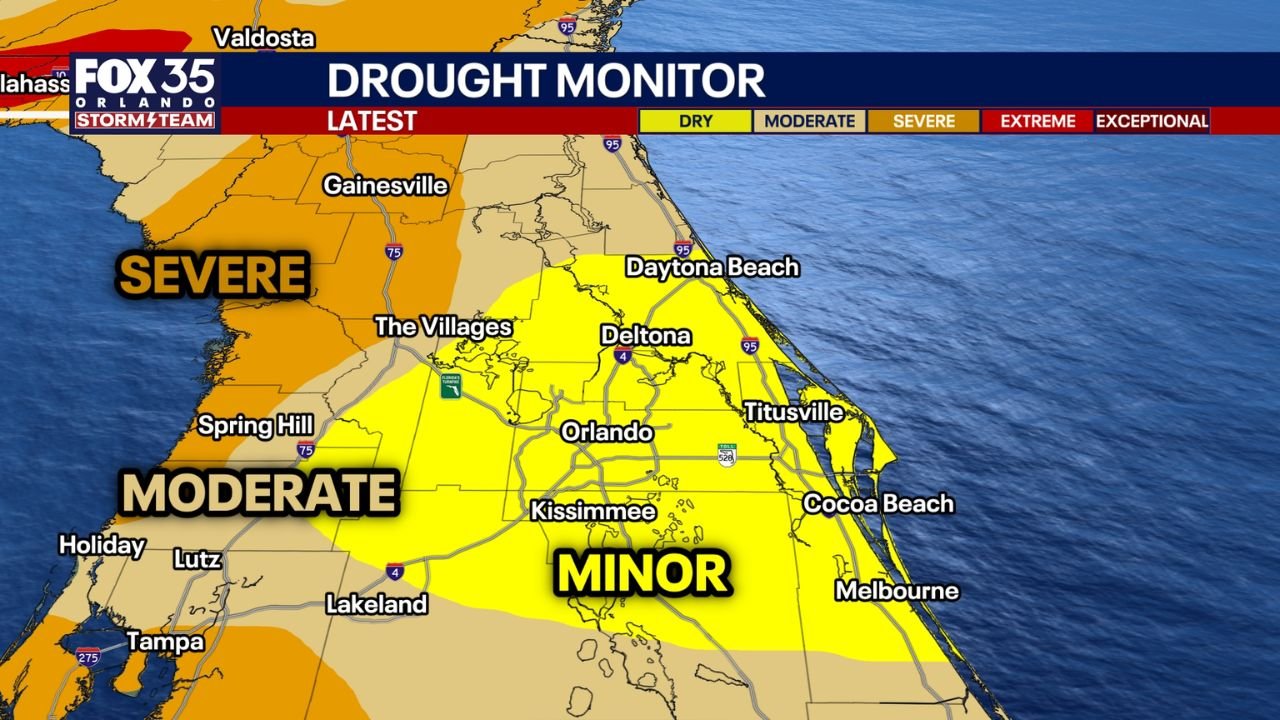
FLORIDA — The entire state of Florida has entered January under some level of drought, marking a concerning start to the heart of the dry season and raising early alarms for wildfire risk, water restrictions, and potential burn bans later this winter. New drought monitoring data shows widespread dry to drought conditions statewide, with severe drought already developing in parts of north and central Florida, including The Villages and Ocala regions.
Meteorologists say the situation is notable not just for its coverage, but for its timing. Entering January with statewide drought conditions is rare, and experts warn that if the pattern continues, impacts could intensify quickly as Florida heads toward late winter and early spring.
Severe Drought Expands in Central and North Florida
According to the latest drought monitor maps, severe drought conditions are now established across portions of north-central Florida, while moderate drought stretches across much of the western and interior parts of the state. Large sections of central Florida, including the Orlando metro area, are classified under minor drought, signaling worsening soil moisture and vegetation stress.
The most concerning hotspot remains The Villages–Ocala corridor, where drought intensity has increased steadily. These areas are already seeing dry ground conditions, stressed vegetation, and declining surface moisture, which can rapidly elevate wildfire danger during periods of wind or unseasonably warm weather.
Why This Drought Is Especially Concerning
Climatologists point out that this may be the worst drought Florida has entered January with since at least 2000, when modern drought monitoring began. Unlike short-term dry spells, this drought is developing after months of below-normal rainfall, leaving little buffer heading into the dry season.
Adding to the concern is the presence of La Niña conditions, which often bring drier-than-average weather to Florida during winter and early spring. If rainfall fails to materialize over the next several weeks, drought classifications could escalate rapidly from moderate to severe or even extreme in some areas.
Fire Risk and Burn Bans Could Follow
With vegetation already drying out, wildfire risk is expected to increase, particularly in inland and rural areas. Officials typically consider burn bans when dry conditions persist alongside low humidity and gusty winds — a combination Florida often sees later in winter.
Fire managers and emergency officials are closely watching conditions, especially as Florida moves toward February and March, historically some of the most wildfire-prone months in the state.
What to Watch Going Forward
Forecasters say the key factor will be rainfall trends over the next 4–8 weeks. Without consistent rain, drought impacts could worsen significantly, affecting agriculture, water supplies, and outdoor burning rules statewide.
Residents are encouraged to stay alert for local water-use advisories, wildfire warnings, and burn restrictions, especially in areas already classified under moderate or severe drought.
If you live in Florida, how are conditions looking where you are? Share what you’re seeing locally and stay connected with Waldron for continued drought and weather updates across the state.