
Illinois, Indiana, Ohio and Michigan Could See Rare Aurora as G4 Geomagnetic Storm Threatens the United States Monday Night
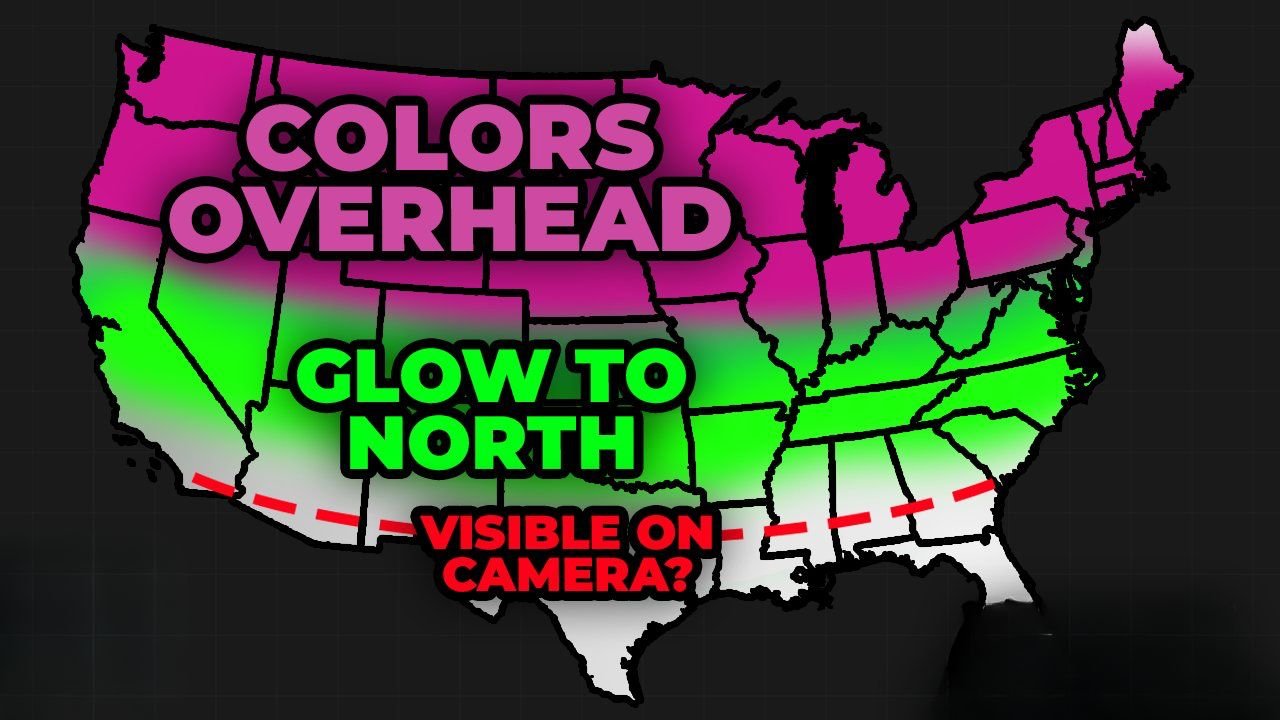
UNITED STATES — A potentially severe geomagnetic storm (G4 level) is now being forecast for Monday night, January 19, as a fast and strong coronal mass ejection (CME) heads toward Earth, according to updated space weather guidance. If the storm unfolds as current models suggest, auroras could become visible across a large portion of the United States, including areas far south of their usual range.
Severe Geomagnetic Storm Upgrade Raises Nationwide Interest
Forecasters are now warning that geomagnetic conditions could reach G4 (Severe) levels, one step below the most extreme category. This upgrade significantly increases the likelihood of widespread auroral activity, especially if the incoming solar material directly and forcefully interacts with Earth’s magnetic field.
A G4 storm is strong enough to produce auroras well beyond northern border states, potentially reaching into parts of the Midwest, Plains, Ohio Valley, and even portions of the southern United States under the right conditions.
What’s Driving This Event: A Fast and Powerful CME
The expected storm is linked to an X2-class solar flare that erupted from the Sun on Sunday morning. That eruption launched a coronal mass ejection, a massive cloud of magnetized plasma, directly into space.
Updated NASA modeling indicates this CME may be stronger and faster than initially projected, meaning it could reach Earth in roughly 36 hours, which is considered very fast for such an event. A quicker arrival generally increases the chance of a sharper and more intense geomagnetic response.
The current estimate places the CME’s arrival around 8 p.m. Eastern Time Monday night, though forecasters stress there is significant uncertainty. The impact could occur up to six hours earlier or later, depending on how the solar material evolves in transit.
Aurora Visibility: Who Might See What
If the CME strikes Earth squarely, the aurora could become visible across much of the country:
- Northern U.S.: Possible auroras directly overhead, with green and purple hues most likely.
- Central U.S.: A green or faint purple glow may be visible toward the northern horizon.
- Southern states: In a stronger scenario, reddish or green glows may be detectable low on the horizon, especially through long-exposure phone cameras.
It’s important to note that auroras often appear far more vivid in photos than to the naked eye, but even a subtle display can be striking under dark skies.
Timing Remains Uncertain
Space weather forecasting is still an evolving science. While models suggest evening to late-night hours are favorable, there is no exact viewing time. Auroral activity often occurs in bursts known as substorms, which can last minutes or hours and are difficult to predict precisely.
Many experts suggest that between 9 p.m. and midnight local time could offer a reasonable viewing window, but luck and timing will play a major role.
Why Impacts Could Vary
While current guidance supports a strong interaction, forecasters caution that a glancing blow from the CME remains possible. In that scenario, geomagnetic impacts — and aurora visibility — would be reduced.
The orientation of the CME’s magnetic field when it arrives will ultimately determine how much energy transfers into Earth’s magnetosphere.
Beyond Auroras: Other Possible Effects
Strong geomagnetic storms can also lead to:
- Shortwave radio disruptions
- Minor GPS accuracy issues
- Power grid monitoring alerts at high latitudes
Earlier effects from the associated solar flare already caused temporary radio signal degradation over parts of South America and the eastern Pacific, highlighting the energy involved in this solar event.
How to Improve Your Chances of Seeing the Aurora
For those hoping to catch a glimpse:
- Get away from city lights
- Find a clear view toward the northern horizon
- Check local cloud forecasts
- Use a phone camera in night mode, which can reveal faint colors invisible to the eye
This event has the potential to become one of the more impressive aurora opportunities of the year, especially if the CME arrives at peak strength.
Stay alert for updates as space weather conditions evolve, and continue following coverage on Waldron News for the latest developments and viewing guidance.