
The April 17 Tornado Outbreak Was Even Bigger Than Forecast as Perfect Hindsight Map Shows Illinois and Wisconsin Were Ground Zero for Highest Tornado Probability
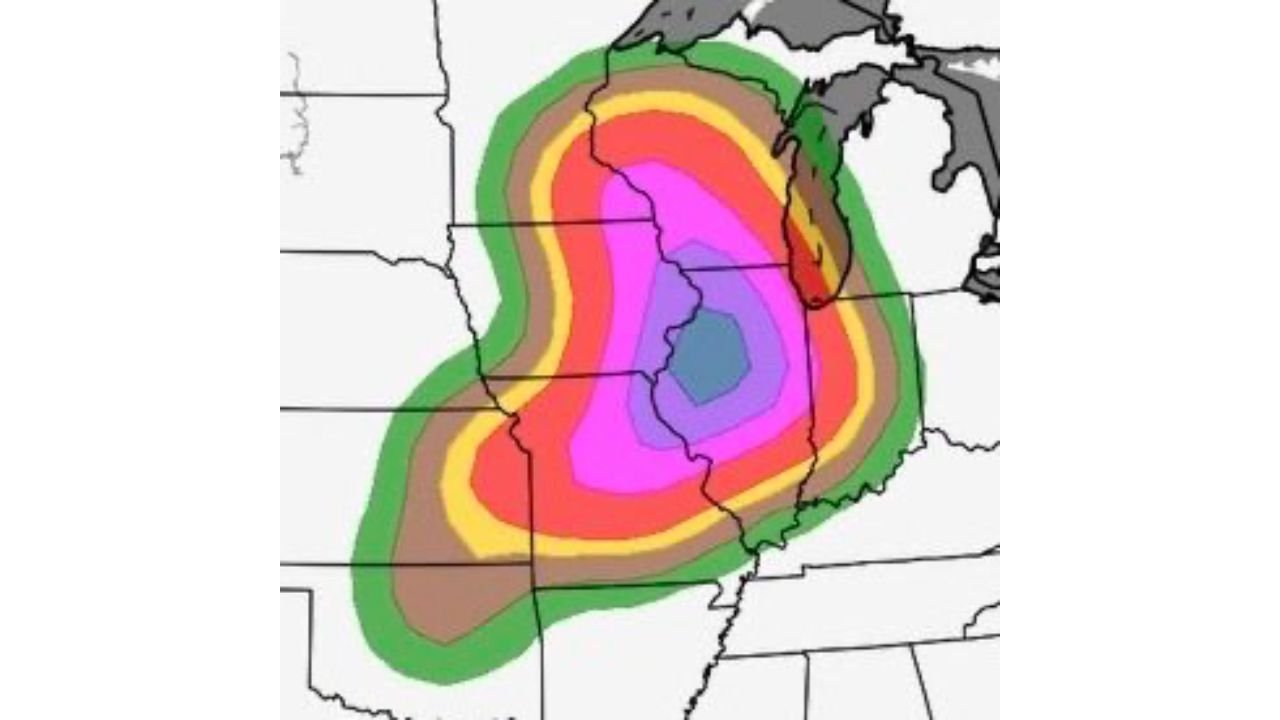
CHICAGO, Illinois — A stunning look back at the April 17, 2026 tornado outbreak is now emerging — and it confirms what the damage surveys have been showing on the ground. A retrospective analysis of what the perfect forecast would have looked like for April 17 reveals that the highest tornado probability zone would have been centered directly over Illinois and Wisconsin, with an intense bull’s-eye stretching from central Illinois northward through the Chicago suburbs and into the heart of Wisconsin.
The real-world outcome — 64 confirmed tornadoes and counting — matched what the highest probability level would have predicted. The forecast verified. The outbreak was as bad as the atmosphere was signaling.
States at the Center of the April 17 Outbreak
The retrospective perfect forecast map shows the risk zones that should have existed:
- Illinois: Dead center of the highest tornado probability zone — the darkest bull’s-eye sits directly over central and northern Illinois
- Wisconsin: Marathon County, where 75 homes were destroyed in Ringle and three EF-3 tornadoes were confirmed, sits inside the highest risk corridor
- Indiana: Eastern Illinois border extending into northwestern Indiana inside the elevated probability zone
- Michigan: Southern Michigan on the northeastern fringe of the significant risk area
- Iowa: Western edge of the high-probability zone covering eastern Iowa
- Missouri: Northern Missouri included in the elevated tornado probability corridor
What the Perfect Forecast Would Have Shown
The retrospective analysis reveals several key findings about April 17:
- Highest tornado probability level verified — the most intense category on the tornado probability scale would have been accurate for the Illinois-Wisconsin core, confirmed by the 64+ tornado count now on record
- CIG1 level most accurate — for the majority of the risk area, a CIG1 designation would have been correct, reflecting that most tornadoes came in below EF-3 intensity
- Multiple EF-3 exceptions — the couple of EF-3 tornadoes confirmed in Wisconsin represent the higher-end outliers that pushed into the more intense damage categories
- Geographic bull’s-eye centered on Illinois — the darkest, most intense probability zone sits over a heavily populated corridor including the Chicago metro area and surrounding communities
Why This Retrospective Look Matters for Future Outbreaks
Chicago, Illinois and communities across the Midwest should pay close attention to what this retrospective analysis reveals — not just about April 17, but about what the atmosphere is capable of delivering to the region.
The fact that the highest tornado probability level would have verified means the atmospheric ingredients for a major outbreak were fully present and detectable in advance. The challenge was not in reading the atmosphere — the signals were there. The challenge is always in communicating the scale of what those signals mean to millions of people living in the path of such an event.
For Wisconsin, the retrospective map is particularly sobering. The Marathon County EF-3 tornadoes — including the one that destroyed 75 homes in Ringle — sit inside the zone where the perfect forecast would have shown the highest risk. The atmosphere was signaling violent tornadoes were possible in exactly the area where they occurred.
The CIG1 designation being most accurate for the majority of the outbreak area is also meaningful context. CIG1 means conditions were favorable for significant tornadoes — EF2 or stronger — but the majority of the 64+ confirmed tornadoes came in below that threshold. The EF-3 events in Wisconsin were the exceptions that pushed above CIG1 territory, confirming that even within a major outbreak, the most violent tornadoes tend to be isolated to a smaller geographic core.
With Thursday’s new severe weather setup now approaching for the same general region, and Monday April 27 already defined as the next major threat day for the Tennessee Valley and Mid-South, understanding the scale of what April 17 produced is critical context for residents who may be fatigued from weeks of continuous severe weather alerts.
Multi-Day Pattern
The April 17 outbreak is the most significant severe weather event of spring 2026 so far — but the pattern that produced it has not ended. Thursday April 23 brings another significant severe weather day for the Plains and Midwest. Monday April 27 targets the Tennessee Valley. The same active atmospheric pattern responsible for April 17’s historic outbreak continues to deliver threats on a near-weekly basis.
Damage survey teams are still working through affected areas, and the final tornado count from April 17 is expected to rise above the current 64 confirmed.
What to Watch Next
- Final tornado count and ratings from the April 17 outbreak as damage surveys complete
- Whether any April 17 tornadoes are upgraded to EF-4 intensity upon final survey
- Federal disaster declarations for Marathon County, Wisconsin and other heavily impacted areas
- Thursday’s new severe weather setup — whether it produces a comparable outbreak to April 17
- Long-term pattern outlook as spring 2026 continues delivering historic tornado activity across the Midwest
Residents across Illinois, Wisconsin, Indiana, and Iowa who lived through April 17 should take the ongoing severe weather pattern seriously. This spring has already produced one of the most significant tornado outbreaks in recent Midwest history — and the atmosphere is not done.
WaldronNews.com will continue tracking the April 17 outbreak survey results and all upcoming severe weather threats and provide updates as new information becomes available.